HOME
HOME- BOARD
- NEWS&NOTICE
| Subject | KOGAS develops Korea’s first automated diagnostic system for early detection of natural gas facility failures | ||
|---|---|---|---|
| Reg. date | 2025-11-20 | Views | 635 |
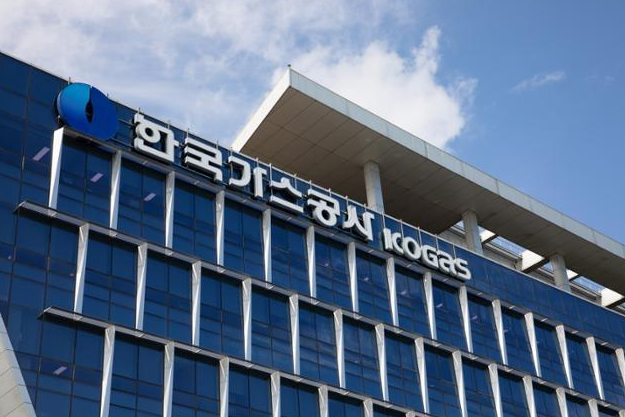
KOGAS has been conducting a research project since last year to develop diagnostic technology for abnormalities in rotating equipment at LNG production bases. The company recently completed empirical testing on 41 major natural gas facility units and is preparing to deploy the system in the field.
The KESA system analyzes electrical data fed to roughly 440 motor-driven units—including ultra-low-temperature LNG pumps, boil-off gas compressors, and seawater vaporization pumps—across LNG production bases to forecast possible equipment failures.
Built as a portable device with an automated condition-monitoring function, KESA is designed for easy use by non-experts in the field.
According to KOGAS, the new system reduces diagnostic equipment introduction costs by about 60% compared to foreign products, while expanding the diagnostic range beyond motors to include load-side shafts, bearings, and impellers.
With KESA’s deployment, KOGAS expects significant benefits, such as extending facility operating hours and reducing maintenance costs through condition-based maintenance—real-time monitoring of equipment status and performing maintenance only when sensor data indicates increased failure risk.
KOGAS plans to distribute one KESA unit to each of its five LNG production bases—Pyeongtaek, Incheon, Tongyeong, Samcheok, and Jeju—by the end of the year and will provide user training.
Data generated by the system will also serve as training material for the AI-based Predictive Maintenance System for Natural Gas Facilities that KOGAS plans to build.